
Mining, Agriculture and Industrial Materials in Space
The rapid development of the space economy has propelled the integration of mining, agriculture, and industrial materials into off-Earth endeavors. As space travel and habitation become priorities for nations and private corporations, the demand for sustainable resources grows. By leveraging asteroid mining for rare metals, enhancing manufacturing with microgravity, and advancing agricultural systems for food production in space, these practices drive technological, economic, and environmental revolutions.

Comprehensive analysis of platinum group metal applications in space systems examining satellite propulsion catalysts (Heraeus, ECAPS, Mitsubishi Heavy Industries), regenerative fuel cells for lunar infrastructure, radiation-hardened electronics, ruthenium Sabatier catalysts for Mars ISRU, and asteroid mining concepts from AstroForge and European test beds. Documents technology readiness levels, performance metrics, and degradation mechanisms across missions from 2020-2025. Analyzes terrestrial supply constraints (727,000 oz annual platinum deficits through 2029, 175% iridium price increases) intersecting with mega-constellation deployment and cislunar infrastructure demand through 2031. 58-page PDF with technical specifications, market projections, and strategic frameworks for aerospace engineers and investment professionals.
RESEARCH RELEASE:
Platinum Group Metals in the Space Economy:
Applications in Propulsion, Power Systems, and Asteroid-Derived Resources
Comprehensive analysis of platinum group metal applications in space systems examining satellite propulsion catalysts (Heraeus, ECAPS, Mitsubishi Heavy Industries), regenerative fuel cells for lunar infrastructure, radiation-hardened electronics, ruthenium Sabatier catalysts for Mars ISRU, and asteroid mining concepts from AstroForge and European test beds. Documents technology readiness levels, performance metrics, and degradation mechanisms across missions from 2020-2025. Analyzes terrestrial supply constraints (727,000 oz annual platinum deficits through 2029, 175% iridium price increases) intersecting with mega-constellation deployment and cislunar infrastructure demand through 2031. 58-page PDF with technical specifications, market projections, and strategic frameworks for aerospace engineers and investment professionals.

Platinum Group Metals in the Space Economy: Research Publication Announcement
This white paper examines PGM applications across satellite thrusters (platinum/iridium catalysts at TRL 9, 215–235 s specific impulse), regenerative fuel cells for lunar surface power (bifunctional Pt–Ir–Ru electrodes at TRL 3–5), radiation-hardened electronics (iridium contacts sustaining >1 Mrad total ionizing dose), and asteroid mining concepts (vacuum distillation at TRL 2–3) documented from 2020–2025 mission data, laboratory testing, and corporate disclosures. As South African mine closures remove 650,000 ounces of annual platinum supply and the ISS approaches 2030 retirement, the 2025–2030 period presents strategic positioning windows where terrestrial scarcity intersects with emerging orbital manufacturing and cislunar infrastructure demand.

The Integration of Mining, Agriculture and Industry in Space
The rapid development of the space economy has propelled the integration of mining, agriculture, and industrial materials into off-Earth endeavors. As space travel and habitation become priorities for nations and private corporations, the demand for sustainable resources grows. By leveraging asteroid mining for rare metals, enhancing manufacturing with microgravity, and advancing agricultural systems for food production in space, these practices drive technological, economic, and environmental revolutions.

Asteroid Mining: Industry Insights for 2025
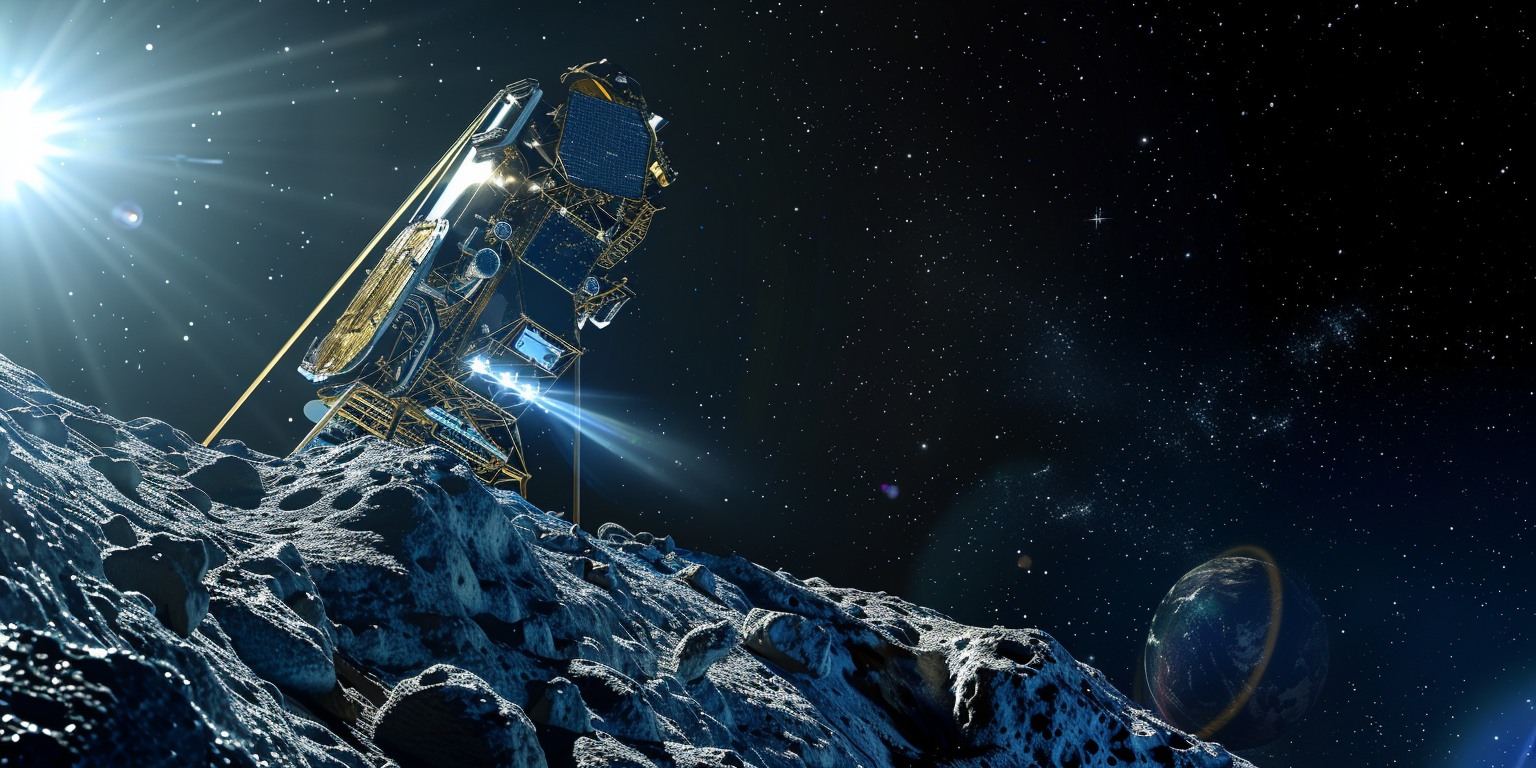
Asteroid mining is becoming an increasingly viable industry, with significant advancements in technology and growing market interest in 2025. Companies like AstroForge are at the forefront of this space race, launching missions such as the ODIN spacecraft to test mining technologies. The market is projected to expand from $1.68 billion in 2024 to $2.07 billion in 2025, drawing attention from investors eager to capitalize on space resources.