
Information and Communication Technology: The Digital Infrastructure of the Orbital Economy
Information and communication technologies are the critical infrastructure powering the next phase of space-based commerce, exploration, and security. AI, advanced data systems, and satellite constellations are enabling real-time Earth observation, autonomous spacecraft operations, resilient global communications, and vast new streams of data-driven insight. As demand for connectivity, automation, and intelligence in space grows, ICT is becoming the digital nervous system of the emerging space economy.
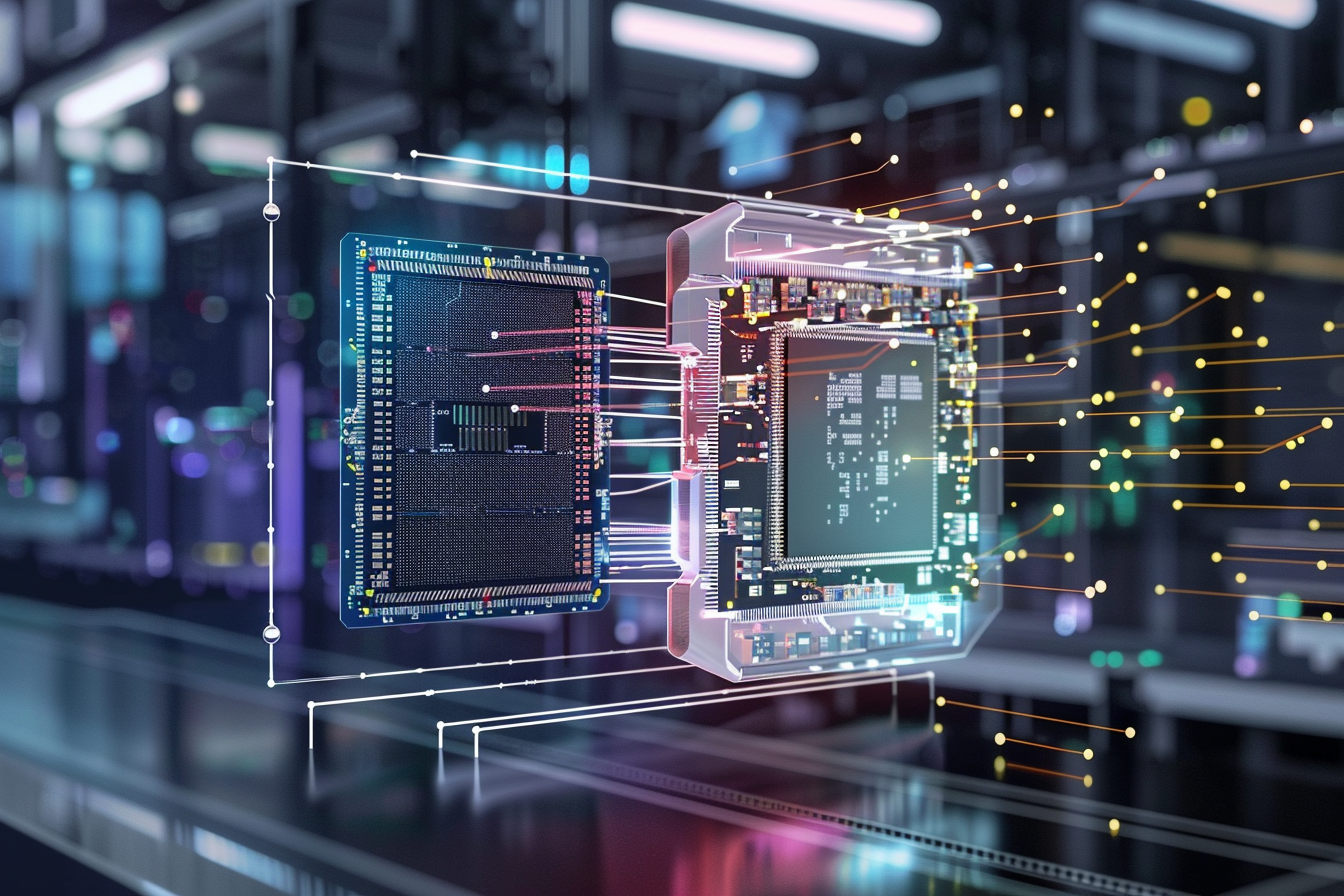

Technical analysis examining five years of orbital computing maturation (2020-2025) across Starcloud's H100 GPU satellite, Axiom Space Orbital Data Center nodes, and China's Three-Body Constellation. Documents validated performance across power generation (95-99% capacity factors), passive thermal management (100-350 W/m²), radiation mitigation for COTS processors, and optical inter-satellite links (2.5-100 Gbps). 58-page PDF providing technical specifications, architecture comparisons, and market segmentation frameworks for aerospace engineers and infrastructure investors evaluating the $1.78B-to-$39B orbital computing sector through 2035.
RESEARCH RELEASE:
Orbital Data Centers:
A Technical Analysis of Space-Based Computing Infrastructure and Feasibility
Technical analysis examining five years of orbital computing maturation (2020-2025) across Starcloud's H100 GPU satellite, Axiom Space Orbital Data Center nodes, and China's Three-Body Constellation. Documents validated performance across power generation (95-99% capacity factors), passive thermal management (100-350 W/m²), radiation mitigation for COTS processors, and optical inter-satellite links (2.5-100 Gbps). 58-page PDF providing technical specifications, architecture comparisons, and market segmentation frameworks for aerospace engineers and infrastructure investors evaluating the $1.78B-to-$39B orbital computing sector through 2035.

Orbital Data Centers: Technical Validation and Strategic Positioning in the 2025-2030 Transition Period
In November 2025, Starcloud deployed the first NVIDIA H100 GPU to orbit aboard a 60 kg satellite, successfully executing AI model training including Google's Gemma and NanoGPT in space—validating that data-center-class processors can operate reliably under radiation, thermal, and vacuum conditions previously considered prohibitive. This breakthrough advances orbital computing from conceptual research to hardware demonstrations at Technology Readiness Level 6-7. This white paper examines five years of technical maturation (2020-2025) across power generation achieving 95-99% solar capacity factors, passive thermal management dissipating 100-350 W/m² through radiative cooling, radiation mitigation protecting high-performance GPUs via hybrid COTS/rad-hard approaches, and optical inter-satellite links delivering 2.5-100 Gbps connectivity for edge processing architectures. As launch costs approach projected sub-$200/kg targets by the mid-2030s and commercial platforms including Axiom Space's Orbital Data Center nodes transition from ISS demonstrations to free-flying constellations, the 2025-2030 period creates strategic positioning windows for satellite edge computing, AI inference infrastructure, and Earth-independent cloud services within the $480 billion commercial space economy.
Deep Space Communications: The Interplanetary Internet
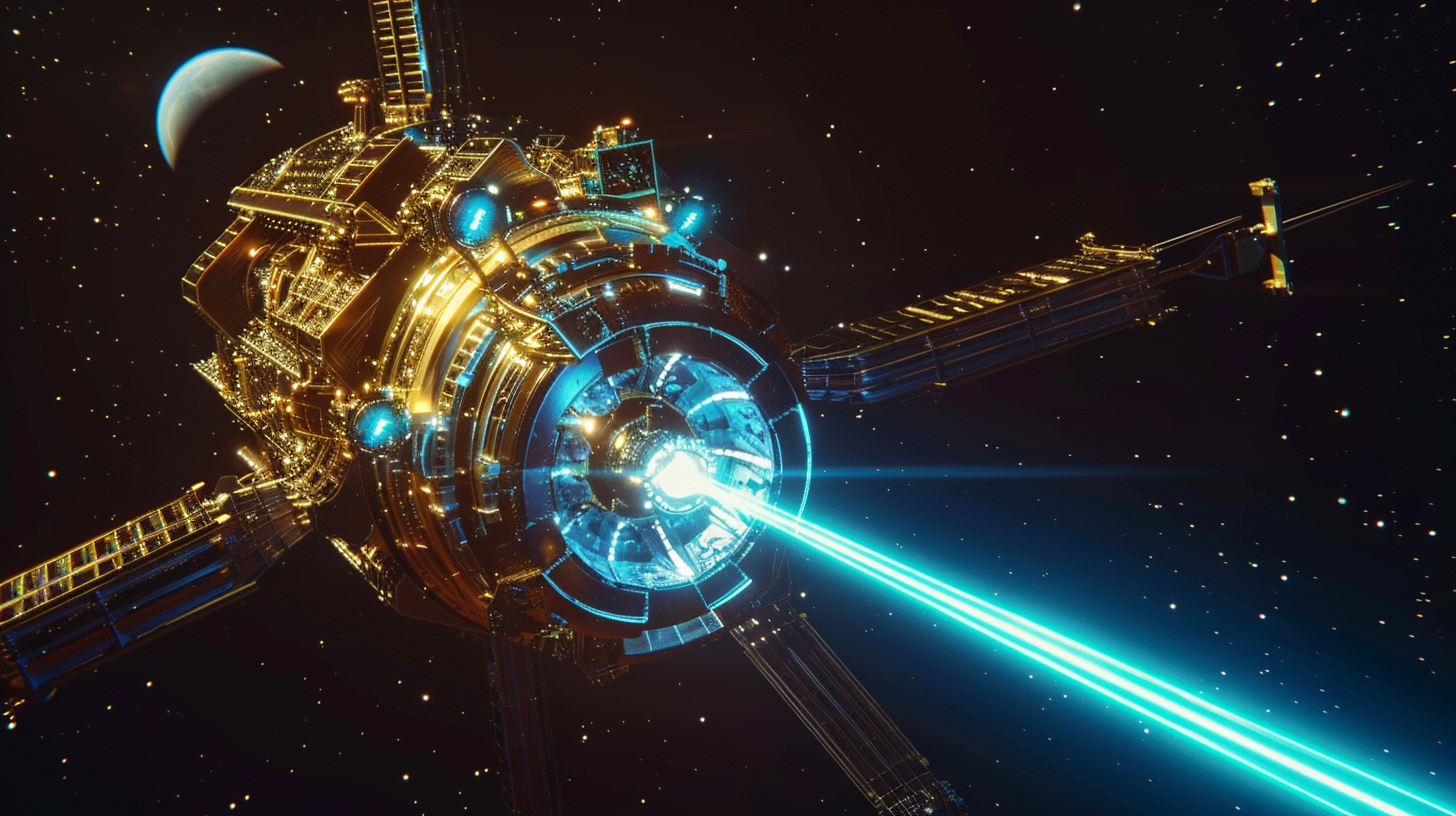
We are currently entering a massive infrastructure upgrade cycle—the transition to Deep Space Optical Communications (DSOC). This shift from radio waves to laser communications represents a 100x increase in bandwidth, effectively building the "fiber optic backbone" of the solar system.

Satellite Industry: Growth and Challenges in a Rapidly Evolving Space Economy
The satellite industry is positioned at the forefront of the rapidly evolving space economy. Advancements in technology, coupled with a significant increase in satellite launches, are propelling its economic potential forward. Experts project the global satellite market to leap from its current valuation of approximately $15 billion to as much as $108 billion by 2035, with some optimistic forecasts suggesting a future valuation of up to $457 billion.

The Role of AI in the Emerging Space Economy
The integration of Artificial Intelligence (AI) is poised to unlock unprecedented economic potential, projected to evolve into a multi-billion dollar market by 2033. AI is transforming space exploration and commercialization, enhancing efficiencies, and fostering autonomous systems in applications like space tourism and asteroid mining. Fueled by technological advancements and strategic collaborations between public and private sectors, this synergy is set to drive substantial growth and diversification within the market.