
Space Transportation
The backbone of the new space economy is no longer government launch monopolies, but a fiercely competitive, capital-intensive transportation layer that moves people, payloads, and infrastructure beyond Earth at rapidly declining cost.
Reusable rockets, orbital transfer vehicles, lunar landers, and emerging space tugs now form a global logistics network capable of delivering satellites on demand, refueling stations in orbit, and—within this decade—routine passenger flights to private habitats and lunar surface assets.
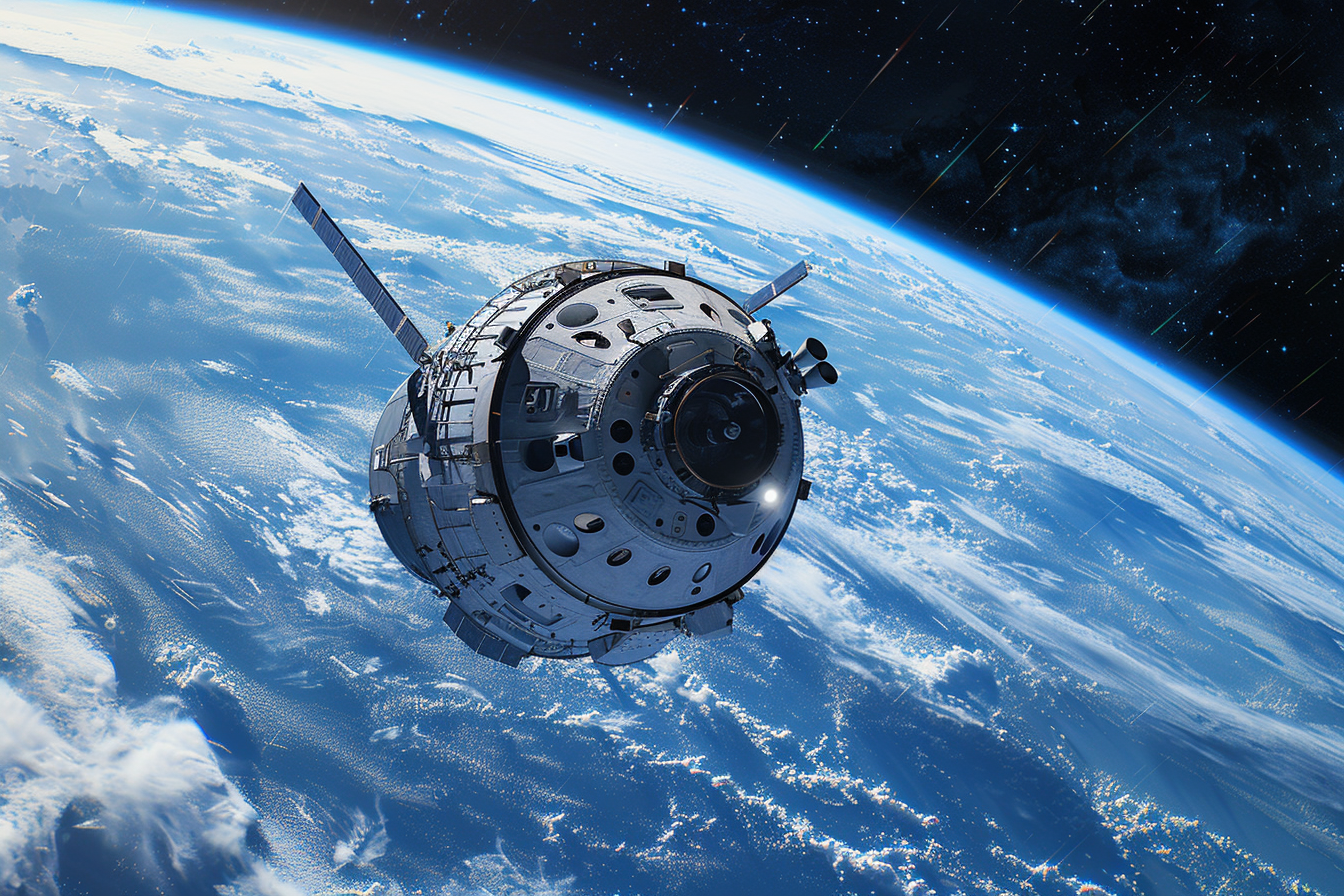

Rigorous examination of propulsion mechanics across five years of operational data (2020-2025), spanning LEO station-keeping through Mars missions. Analyzes performance trade-offs across chemical, electric, and nuclear thermal systems using data from SpaceX Raptor 3 testing, Starlink constellation operations, NASA Gateway development, and 50,000+ collision avoidance maneuvers. Quantifies delta-v requirements from 100 m/s to 15+ km/s and evaluates commercial implications for propellant depots, orbital transfer vehicles, and cislunar logistics in markets projecting $2.98 billion by 2029. 52-page technical analysis for aerospace engineers and space economy investors.
RESEARCH RELEASE:
Delta-V Budgets and Advanced Propulsion Mechanics:
Enabling Efficient Maneuvering in the Space Economy
Rigorous examination of propulsion mechanics across five years of operational data (2020-2025), spanning LEO station-keeping through Mars missions. Analyzes performance trade-offs across chemical, electric, and nuclear thermal systems using data from SpaceX Raptor 3 testing, Starlink constellation operations, NASA Gateway development, and 50,000+ collision avoidance maneuvers. Quantifies delta-v requirements from 100 m/s to 15+ km/s and evaluates commercial implications for propellant depots, orbital transfer vehicles, and cislunar logistics in markets projecting $2.98 billion by 2029. 52-page technical analysis for aerospace engineers and space economy investors.
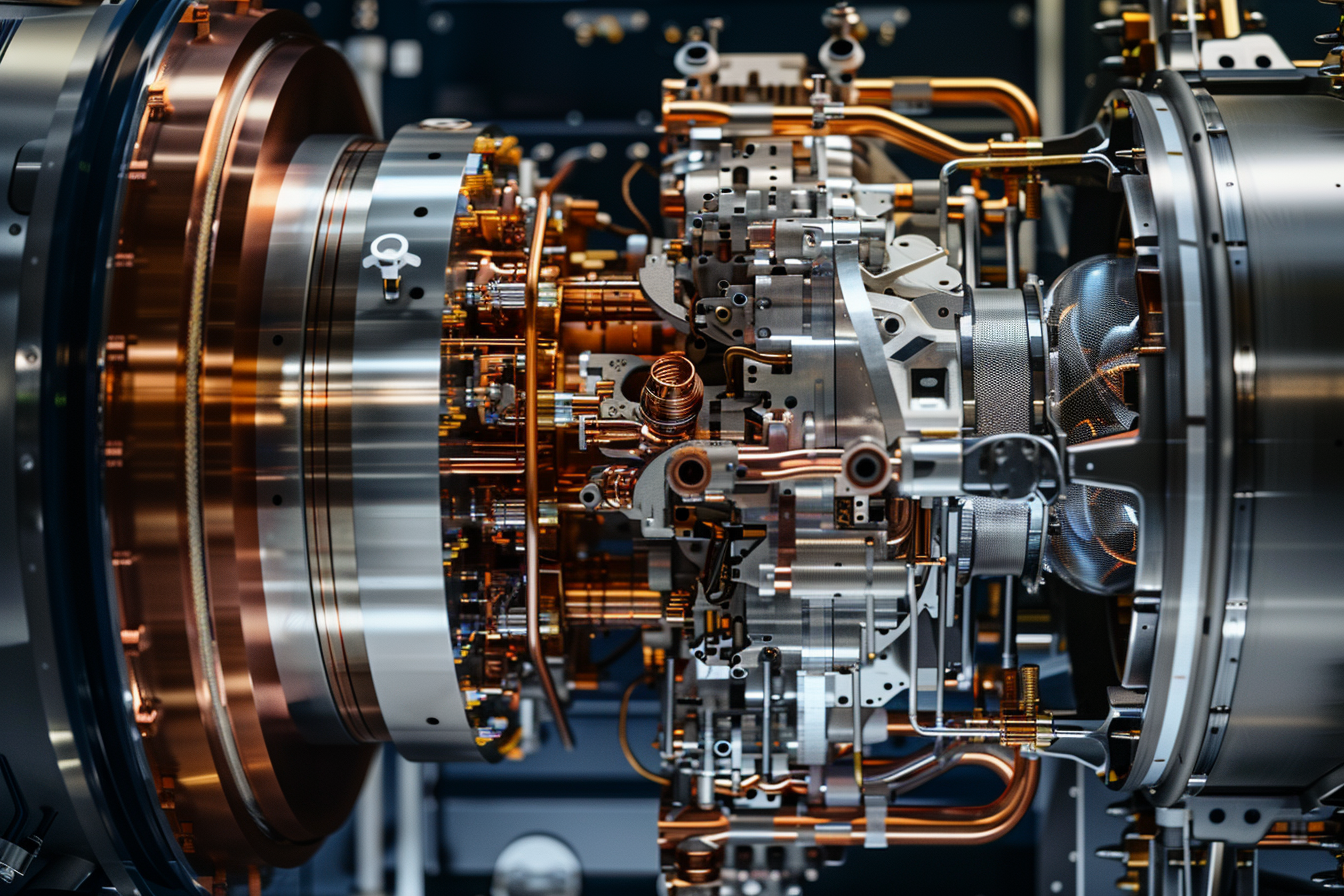
Delta-V Budgets and Advanced Propulsion Mechanics: Research Publication Announcement
This white paper examines propulsion mechanics across the space economy through five years of operational data (2020-2025), analyzing delta-v requirements spanning 100 m/s LEO station-keeping to 15+ km/s Mars missions, quantifying performance trade-offs across chemical (Isp 250-465 s, TRL 9), electric (Isp 1,500-8,000 s, TRL 6-8), and nuclear thermal systems (Isp ~900 s, TRL 4-5). As reusable orbital transfer markets project growth from $1.79 billion in 2025 to $2.98 billion by 2029, understanding Tsiolkovsky constraints, thrust-to-weight trade-offs, and trajectory optimization methods becomes essential for evaluating commercial viability of propellant depots, propulsion-as-a-service models, and cislunar logistics infrastructure.

The Rapidly Renewable Rocket Industry in 2025: Innovating for a Sustainable Future
The year 2025 is witnessing an unprecedented surge in rocket launch activities, characterized by increased frequency and diversity of missions. This growth is significantly driven by improvements in reusability and cost efficiency, fostering a competitive landscape that encourages both established players and new entrants.