
Space Real Estate: Claiming Ground in the Final Frontier
As orbital infrastructure expands and lunar missions accelerate, space real estate is emerging as a strategic asset class. From satellite orbits and station docking rights to lunar plots and orbital construction zones, the allocation and control of physical and positional space is gaining commercial and geopolitical value. With legal frameworks still evolving and demand rising, space real estate represents a high-stakes frontier for ownership, access, and long-term economic positioning in the space economy.


Comprehensive analysis of artificial gravity countermeasure technologies examining NASA, ESA, JAXA programs and commercial development (Vast Space, Orbital Assembly Corporation) from 2020-2025. Documents validated physiological outcomes including 33-55% reduction in muscle atrophy during 60-day bed-rest studies and 25+ rpm vestibular tolerance achievements. 38-page PDF with rotational physics frameworks, TRL assessments across three simulation methodologies, and strategic analysis for aerospace engineers, mission architects, and technology investors.
RESEARCH RELEASE:
Artificial Gravity Simulation in Space: Physics, Centrifugal Methods, and Countermeasures for Long-Duration Missions
Comprehensive analysis of artificial gravity countermeasure technologies examining NASA, ESA, JAXA programs and commercial development (Vast Space, Orbital Assembly Corporation) from 2020-2025. Documents validated physiological outcomes including 33-55% reduction in muscle atrophy during 60-day bed-rest studies and 25+ rpm vestibular tolerance achievements. 38-page PDF with rotational physics frameworks, TRL assessments across three simulation methodologies, and strategic analysis for aerospace engineers, mission architects, and technology investors.
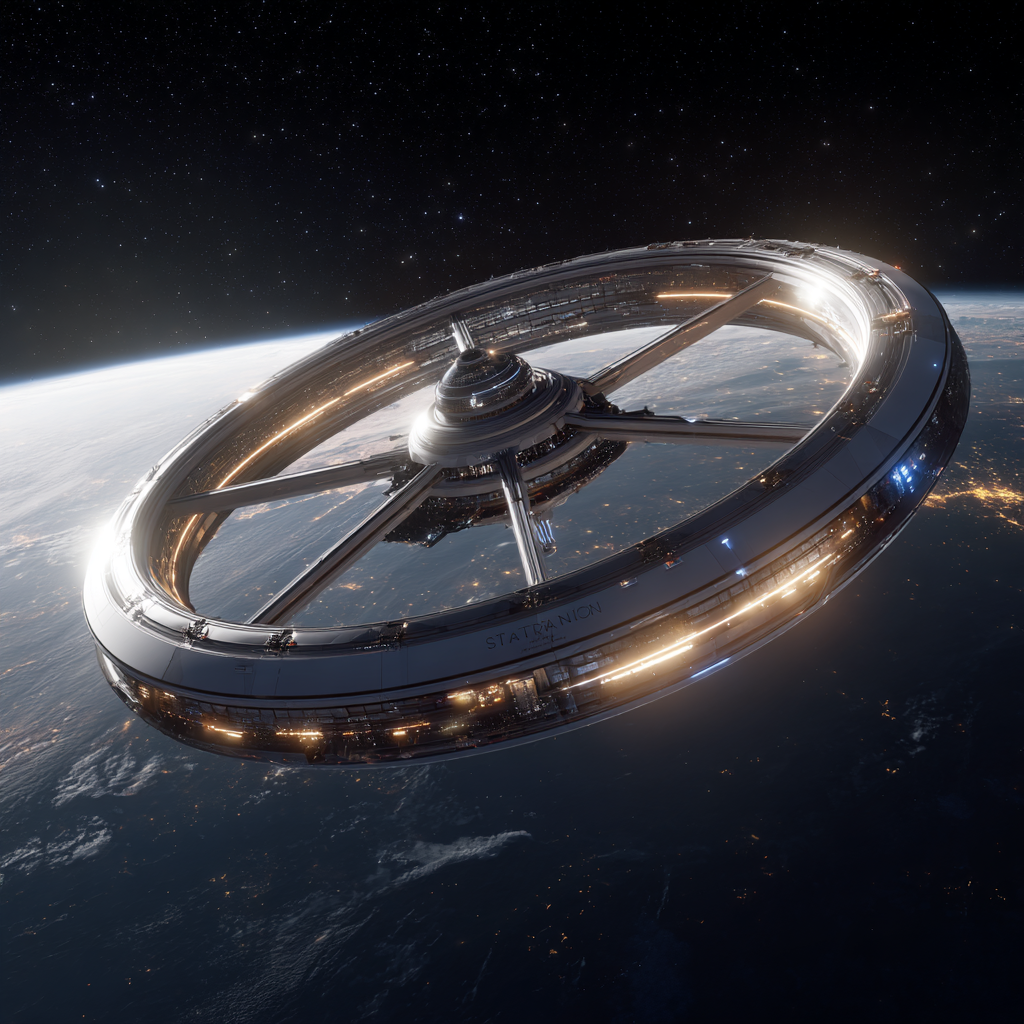
Artificial Gravity for Long-Duration Spaceflight: Research Findings from Five Years of Validation Studies
In 2020, NASA's Neurolab centrifuge demonstrated human tolerance to 1g artificial gravity during orbital flight—the only such validation in 27 years, despite microgravity causing 0.5–1.5% monthly bone loss and 70% incidence of vision-threatening neuro-ocular syndrome among ISS astronauts. This validates rotating systems' physiological potential as Artemis lunar missions and crewed Mars transits create urgency for comprehensive countermeasures. This white paper examines artificial gravity technologies across 2020–2025 development, analyzing rotational mechanics, simulation methods (full-rotation spacecraft, short-arm centrifuges, tethered systems), and multi-system physiological efficacy. As ISS operations continue through 2030 and commercial platforms including Axiom Station and Orbital Reef position for deployment, the 2026–2032 transition window creates strategic opportunities for centrifuge module development, variable-gravity research platforms, and rotating transit vehicle architectures addressing exploration-class mission requirements.
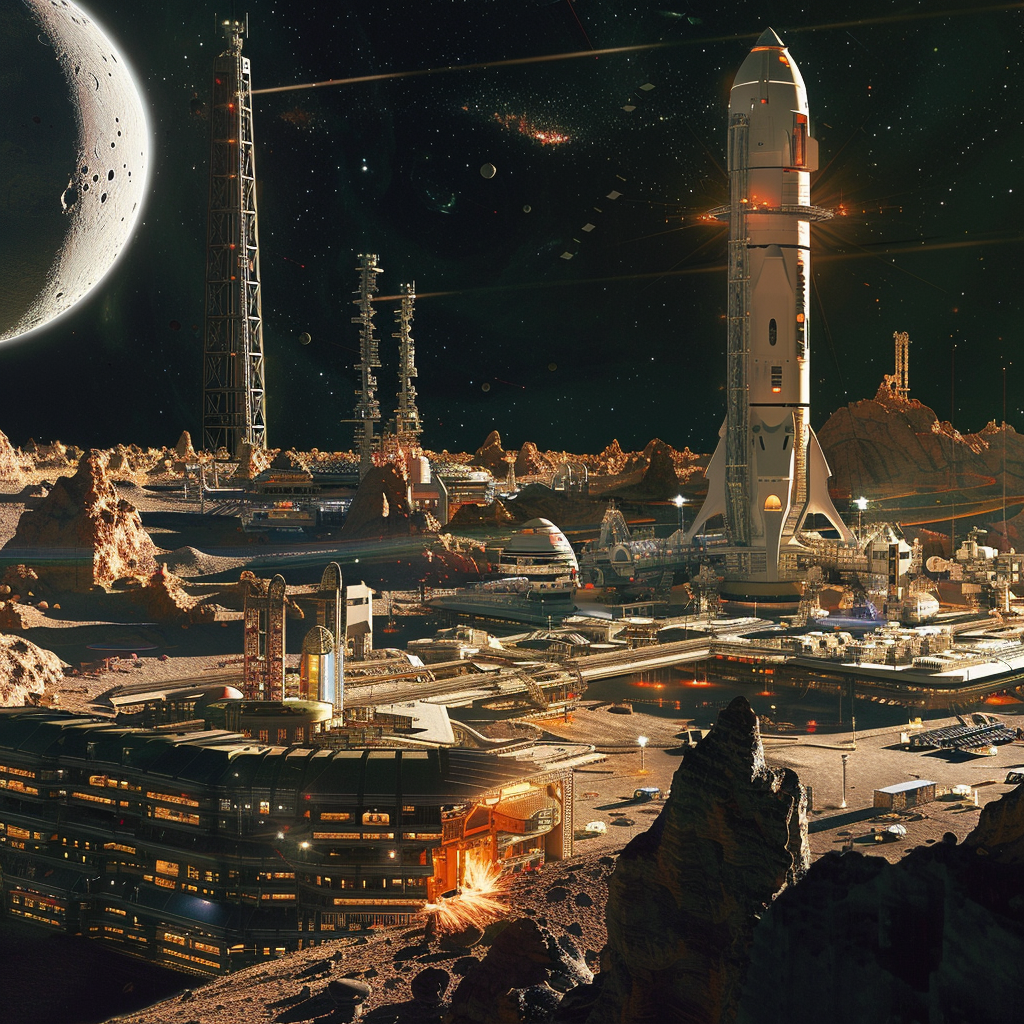
The Economic Potential of Space Real Estate
Infrastructure development in space represents a monumental leap toward creating permanent outposts that will facilitate exploration and potential colonization. The establishment of orbital stations, as well as lunar and Martian facilities, hinges on a myriad of technological innovations. Orbital infrastructure is becoming increasingly vital, with satellite constellations like Starlink enhancing communications and data analytics necessary for scientific, commercial, and military applications.